Bedford, TX
Bedford, TX Exit Planning for Company Owners
We show owners what their company is worth and which way out suits them: a sale to an outside buyer, a handoff to family, a buyout by managers or an employee ownership plan. Our services span business valuation, exit readiness, value enhancement and continuity planning, for owners in Bedford, Euless, Hurst and Colleyville.
- Find 2x our fee in value, or don't pay
- Confidential from the first conversation
- No obligation to sell
- Office, phone or video meetings


Who We Are
Our clients own privately held small and mid-sized companies and have begun thinking about how they will leave. A few plan to sell inside a year. Others have ten years to go and want today's value plus a list of what would raise it. Plenty just want to tell their family plainly what happens if they step back.
We lean technical by design. We walk through why buyers pay less when one customer dominates, how recasting owner salary moves the multiple, and how an earnout hands risk back to the seller. Dallas-Fort Worth owners hear no shortage of opinions; we lay out the math so you can verify it yourself.
- Warranty
- Find at least 2x our fee in value, or you don't pay
Help for Owners Heading Toward a Transition
Nearly every owner begins with a business valuation, since each decision after it rests on that figure and what moves it. Next, an exit readiness assessment points out what a buyer will see as risk, and value enhancement planning fixes those soft spots before a sale. Exit planning pulls everything into one dated, written plan, while contingency and continuity planning spells out what happens if you suddenly cannot run the company.

Exit Planning
We lay out each realistic way to leave your company, with after-tax proceeds, timing and risk, so you choose a route on facts.
Business Valuation
Learn what your company is worth and why, with the earnings adjustments and valuation methods laid out line by line.
Exit Readiness Assessment
A scored review of your financials, owner dependence, contracts and management depth, so you know what to fix before a buyer or successor looks.
Value Enhancement Planning
We pinpoint the specific drivers holding down your company's value and build a ranked, timed plan to raise it before a sale or succession.
Contingency & Continuity Planning
A written plan, with funding and authority lined up, that keeps your company operating and your ownership stake protected if you are suddenly unable to work.
What Shapes the Cost of Exit Planning
After the free valuation, the cost of further work depends on how much there is to untangle. A single-owner company with clean books and recurring revenue takes far less work than one with three partners, mixed personal expenses and a customer list that runs through the owner's cell phone. These are the factors that move the scope.
We start with a free valuation and then give you a written scope that lists each piece of work before you commit to anything. You get your quote by phone, with no obligation.
- Quality of your financial records
- Accrual-basis statements reconcile quickly. Cash-basis books, commingled personal spending or several years without a CPA review mean more time rebuilding normalized earnings before anyone can value the company.
- Number of owners and their goals
- Two partners who want different exits, or a buy-sell agreement that was never funded, add negotiation and document review to the work.
- Entity and tax structure
- An S corporation, a C corporation and a multi-entity setup with a separate real estate holding company each handle a sale differently. Asset versus stock sale treatment can change your after-tax proceeds significantly, so it takes careful modeling.
- The exit route you choose
- A family transfer involves gifting and estate questions. An employee ownership plan brings trustee and financing steps. A third-party sale needs buyer-ready documentation.
- How much value work is needed
- Reducing customer concentration, documenting processes or building a second layer of management takes months, and the plan scope grows with it.
- Your timeline
- Owners with three to five years can sequence improvements. A compressed timeline means more work happens in parallel.
Where Our Clients Run Their Companies
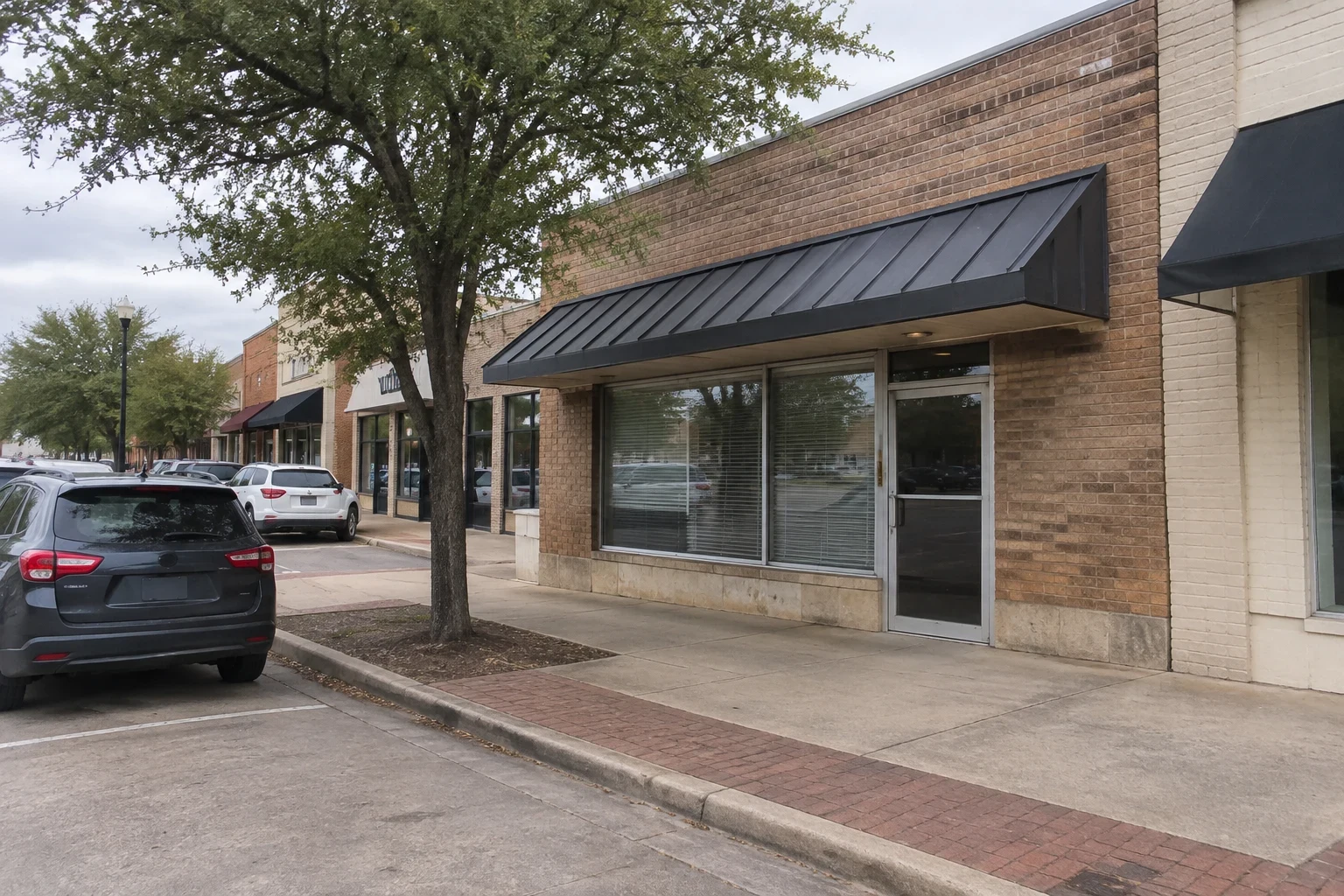
Our office is in Bedford, TX, and our clients run companies across the Mid-Cities, from North Richland Hills, Euless and Hurst to Colleyville and Richland Hills. We also advise owners in Irving, Grapevine, Keller, Haltom City and Southlake.
- Bedford
- North Richland Hills
- Euless
- Hurst
- Colleyville
- Richland Hills
- Irving
- Grapevine
- Keller
- Haltom City
- Southlake
Meet us face to face at our office, or handle the whole process by phone or video when that is easier on your calendar. See the Service Areas page for the complete region.

How We Work With Owners
We explain each exit option the way an engineer explains materials: what it is made of, where it is strong, and where it tends to fail. You decide with the trade-offs in front of you.
- Every exit route laid side by side
- A strategic buyer often pays more but expects you to stay through an earnout. A sale to family keeps the name alive but usually means seller financing. A management buyout depends on your team's ability to borrow. We put these next to each other with the tax, timing and risk differences spelled out.
- Valuation you can trace
- We show how we got the number: normalized earnings, the add-backs we accepted and the ones we rejected, and the multiple range we applied. If an add-back will not hold up in a buyer's due diligence, we tell you now rather than at the closing table.
- Confidential by default
- Employees, customers and competitors react when they hear an owner is thinking about selling. We keep conversations private, meet at our office or by phone and video, and share nothing without your say.
- No push toward a sale
- No pressure, and no obligation to sell. Some owners find the right answer is to keep running the company for five more years and build value first. That is a fine outcome.
- Fee tied to results
- Our engagements carry a clear standard: we find at least twice our fee in value, or you don't pay. That keeps our recommendations focused on changes that move the number.
What Owners Want to Know
How much is my company worth?
Privately held companies are usually priced as a multiple of normalized earnings, using seller's discretionary earnings for smaller firms and EBITDA for larger ones. The multiple moves with your industry, growth, customer concentration and how much the company leans on you. The free valuation gives you a range and names which of those factors is pushing the figure up or down.
Does the valuation actually cost nothing?
Yes. You pay nothing for it, nobody pressures you, and you are under no obligation to sell. Many owners keep it as a starting point and come back once a decision is closer.
Could my staff or customers learn about this?
Not from us. Every conversation stays confidential, and nothing goes to anyone unless you approve it. If you move toward an exit, we help you choose when and how to tell key employees.
How early should planning begin?
Three to five years gives you room to lower owner dependence, clean up records and spread out customer concentration, all of which move the multiple. A shorter window can still work, though some changes will not reach your earnings before a buyer reviews them.
What can I do other than sell to an outside buyer?
You could hand the company to family, sell it to your managers, set up an employee stock ownership plan, take on a partner who buys you out over time, or wind down while keeping the cash flow. Each route differs in tax treatment, financing needs and the risk you carry after closing. The Exit Planning page goes through them in more depth.
What happens if your work isn't worth the fee?
Then you owe nothing. When our paid work fails to find value of at least twice what you paid us, there is no charge. That rule keeps us focused on changes that really move the number.
Will you take the place of my CPA or attorney?
No, we work next to them. Your CPA still files your taxes and your attorney still writes the purchase agreement and entity documents. We put together the plan that tells each of you what needs to happen and in which order.
How an Engagement Runs
Each step produces something you can keep, even if you decide to stop there.
- 1
A confidential first call
You tell us about your company, your goals and your rough timeline. If it helps, you can book a 20-minute call with the co-founder before sharing any numbers.
- 2
Your free valuation
We review three years of financials, normalize earnings for owner compensation and one-time costs, and apply market multiples for your industry and size. You get a value range and the drivers behind it.
- 3
Readiness review and options
We test the company the way a buyer's due diligence team would: owner dependence, customer concentration, contracts, key staff and records. Then we compare the exit routes that fit your answers.
- 4
A written exit plan
The plan lists the value improvements in order, the target exit window, the tax and legal advisors you will need, and a continuity plan in case something happens to you before the exit.
Find Out What Your Company Is Worth
Begin with a confidential conversation and a free valuation. You come away with a value range, the drivers behind it and no obligation to take any next step.